
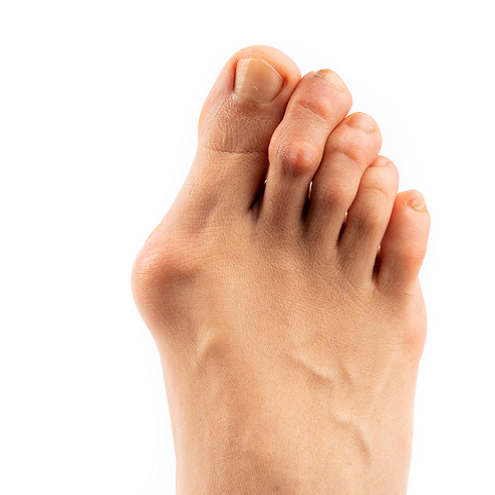
HALLUX VALGUSThis one of the most common forefoot problems.
A bunion occurs as a result of the excess inwards rotation of the foot that causes the bone on the big toe knuckle to grow. Some of the symptoms of bunions include inflammation, swelling, and soreness on the side surface of the big toe. The discomfort commonly causes a patient to walk improperly. |
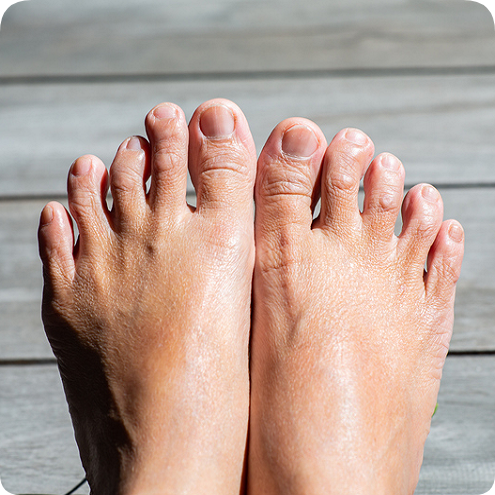
HAMMER TOEHammer toe is a toe that is contracted at the Proximal Inter- Phalangeal (“PIP”) joint (middle joint in the toe), potentially leading to severe pressure and pain at the ball of the foot and often, calluses will form.
|
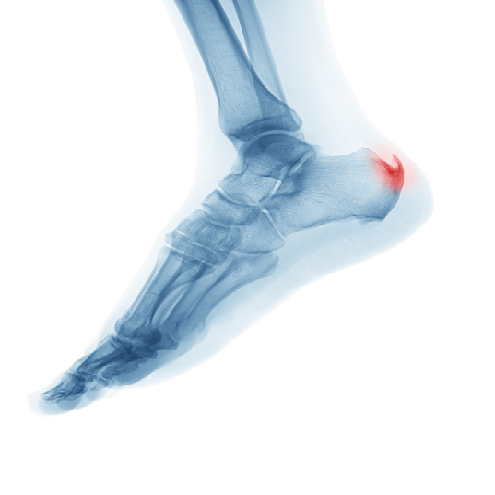
HEEL SPURSHeel Spurs develops as an abnormal growth of the heel bone. Calcium deposits form when the Plantar Fascia pulls away from the heel area, causing a bony protrusion, or heel spur to develop.
The Plantar Fascia is a broad band of fibrous tissue located along the bottom surface of the foot that runs from the heel to the forefoot. Heel spurs can cause extreme pain in the rearfoot, especially while standing or walking. |
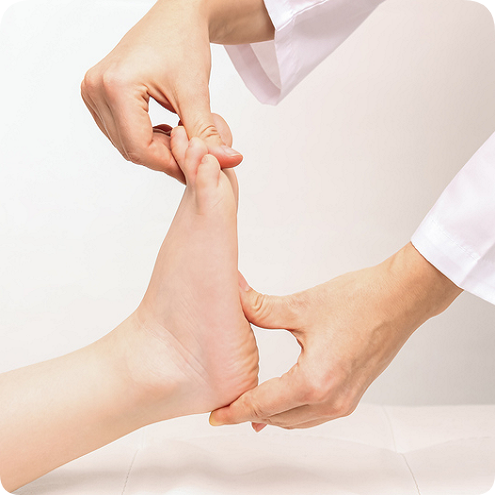
FLAT FEETFlat feet are a common biomechanical problem that occurs in the walking process when a person’s arch collapses upon weight bearing.
This motion can cause extreme stress or inflammation on the Plantar Fascia, potentially causing severe discomfort and leading to other foot problems. |
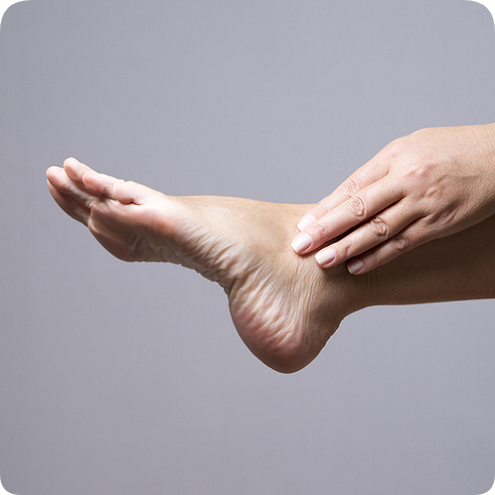
HIGH ARCHED FEETHigh arched feet have been known to cause lower back pain and various conditions such as, knee pain, Osteoarthritis, Achilles’ tendon problems and so forth.
The arch makes very little contact with the ground, thereby destabilizing it, ultimately leading to pain and other issues.’ This condition can be inherited, making it more prevalent in some parts of the world than others. |
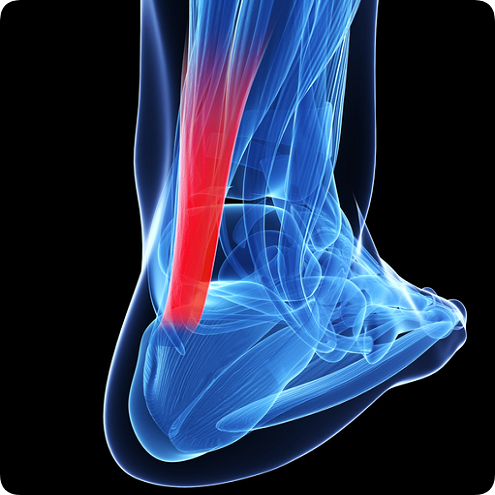
ACHILLIES TENDONITIESThis condition causes inflammation and degeneration of the Achilles tendon which is the large tendon located in the back of the lower leg that inserts into the top of the heel.
The pain caused by Achilles’ tendonitis can develop gradually without a history of specific trauma. The pain can be a shooting pain, burning pain, or even an extremely piercing pain. |
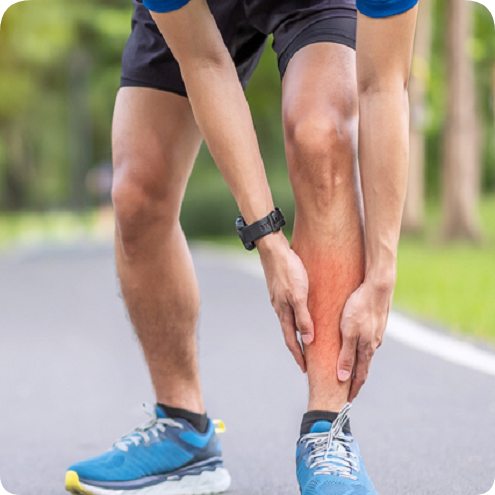
SHIN SPLINTSShin splints are a common lower extremity complaint, especially among runners and other athletes.
They are characterized by pain in the front or inside aspect of the lower leg due to overexertion of the muscles. The pain usually develops gradually without a history of trauma and might begin as a dull ache along the front or inside of the shin (Tibia) after running or even walking. Small bumps and tender areas may become evident adjacent to the shin bone. The pain can become more intense if not addressed, and shin splints should not be left untreated because of an increased risk of developing stress fractures. |
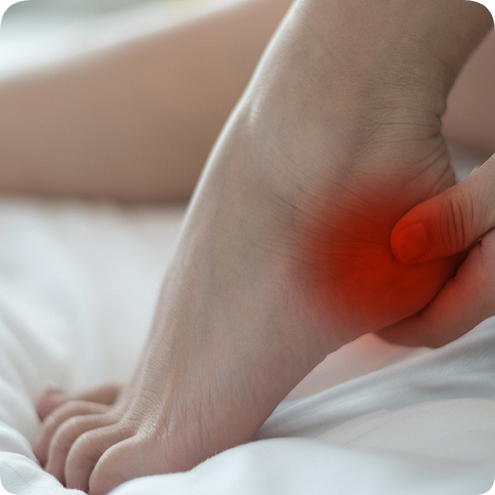
PLANTAR FASCIITISPlantar Fasciitis an inflammation caused by excessive stretching of the Plantar Fascia.
The Plantar Fascia is a broad band of fibrous tissue which runs along the bottom surface of the foot, attaching at the bottom of the heel bone and extending to the forefoot. When the Plantar Fascia is excessively stretched, this can cause Plantar Fasciitis, which can also lead to heel pain, arch pain, and heel spurs. |
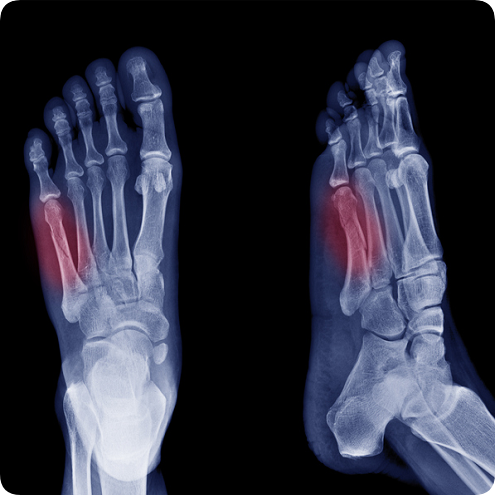
METATARSAL FRACTURESCommon amongst forefoot athletes such as racquet sports, dancers, this condition arises from repetitive stress exerted on the forefoot.
It is when the bone suffers a hairline fracture. |
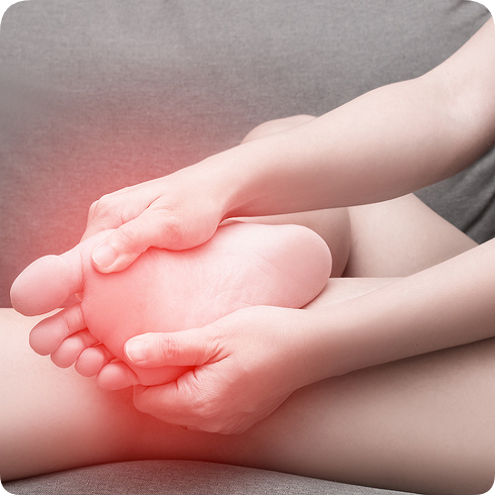
SESAMOIDITISCondition that causes inflammation and pain at the ball of the foot (underneath your big toe).
Sesamoid bones are subjected to massive pressure and forces in our everyday lives. The symptoms tend to worsen and can gradually become an intense throbbing pain. Treatment for this condition includes alleviating pressure from the sesamoid bones using orthotics with Metatarsal correction. |
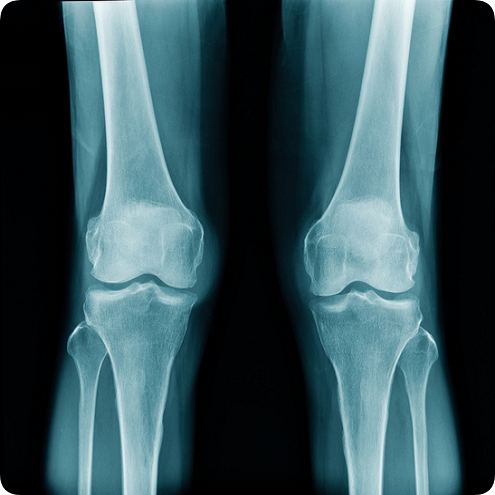
GENU VALGUS (KNOCK KNEES)An “X” is seen from the hips to the knees and down to the feet when the child is standing.
Our Podiatrist will help with you correct this deformity by correcting your foot function. |
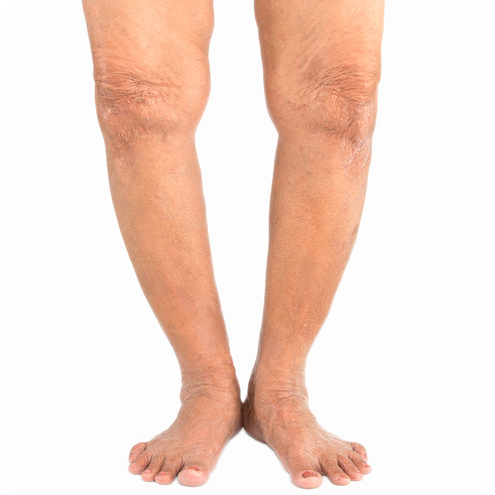
TIBIAL VARUM (BOW LEG)An “O” is seen from the lower leg and down to the feet when the child is standing.
Our Podiatrist will help with you correct this deformity by correcting your foot function. |
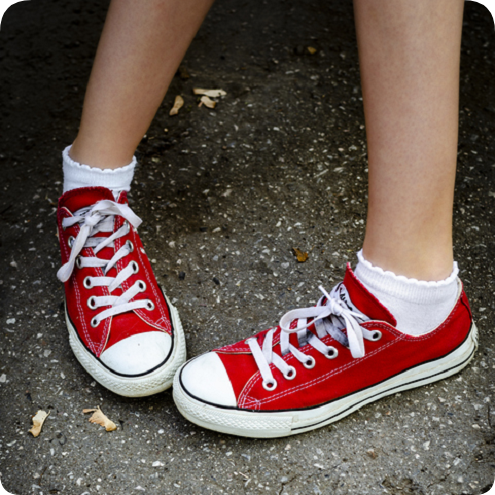
METATARSUS ADDUCTUS
|
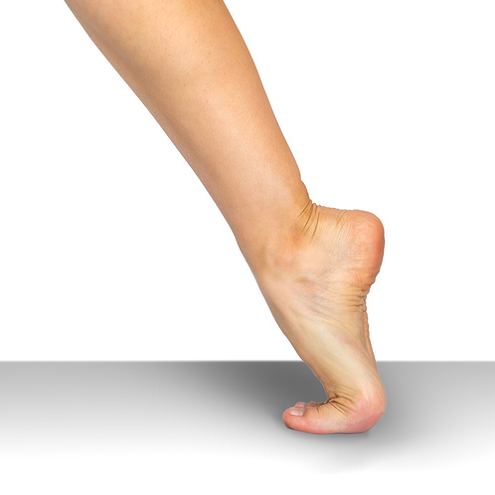
HYPERMOBILITYThis condition stems from overpronation which causes excess mobility at one or multiple joints of the foot.
This condition may lead to poor posture, foot and knee pain and gait abnormalities. |
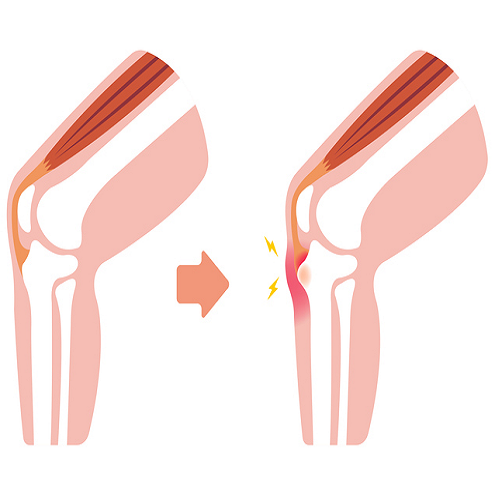
OSGOOD-SCHLATTER DISEASE (KNEE PAIN)Most frequent cause of knee pain in children.
Symptoms include pain that occurs a few inches below the kneecap as well as swelling and tenderness in the area. This is caused by swelling and irritation of the growth plate, which is weaker and thus more susceptible to injury than the rest of the bone. |
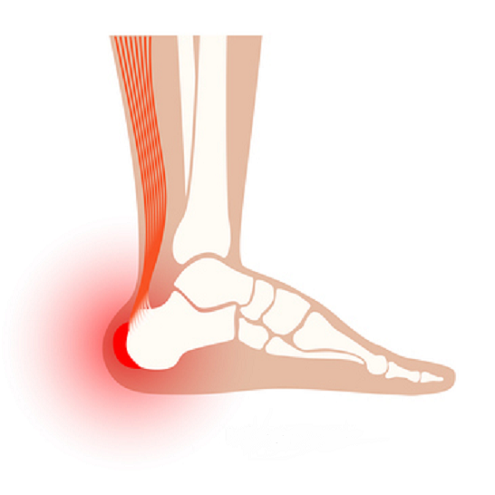
SEVER'S DISEASEThis disease causes pain and swelling at the growth plate in the heel.
It usually happens during the growth spurt of puberty since the bones, tendons and muscles grow at different rates, causing a pull on the growth plates. |